Understanding Dog Stress: Causes and Effects
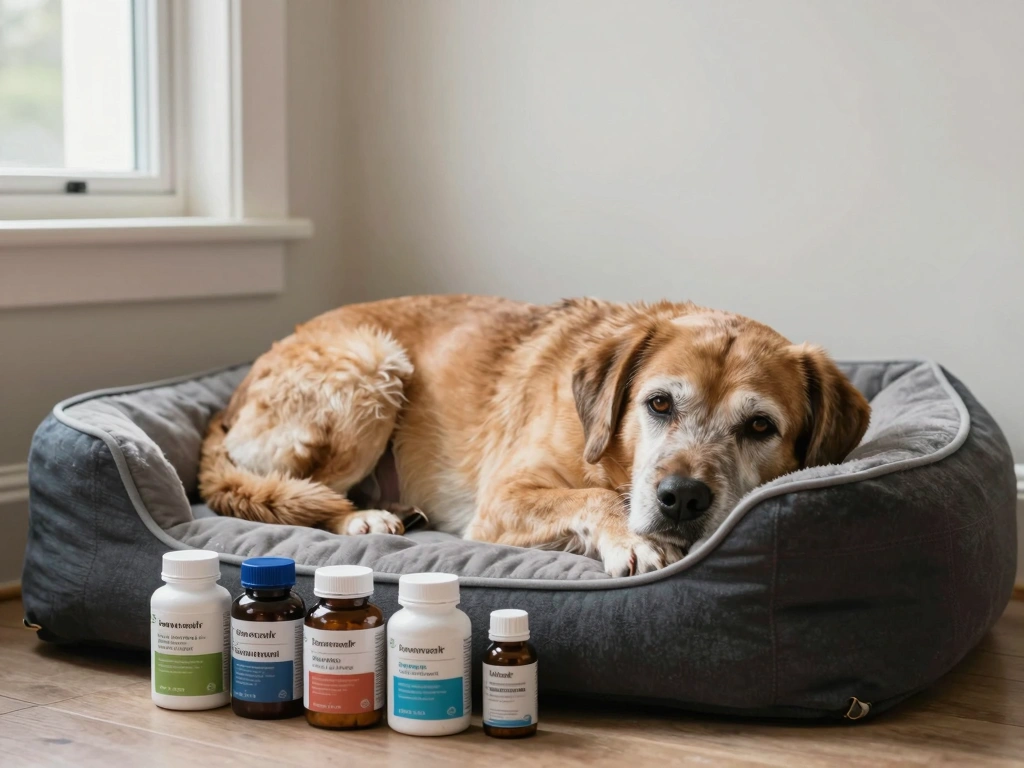
Just like humans, dogs experience stress, and it can manifest in various ways. This stress can be triggered by changes in routine, environmental disturbances, or even separation anxiety. For dog owners, understanding the causes of stress and finding effective solutions is crucial for maintaining their pets' happiness and well-being. Calming Dog Treats can play a significant role in managing this stress effectively.
What Triggers Stress in Dogs?
Several factors can lead to stress in dogs, including:
- Noise: Loud sounds such as thunderstorms, fireworks, or even vacuum cleaners can cause anxiety.
- Changes in Environment: Moving to a new home or rearranging furniture can be unsettling.
- Separation: Dogs are social animals and can experience anxiety when left alone for extended periods.
- New Experiences: Visits to the vet or encounters with unfamiliar people or animals can be stressful.
- Changes in Family Routine: Dogs thrive on routine; any disruption can lead to anxiety.
Common Behavioral Signs of Stress
Recognizing the signs of stress is vital for early intervention. Common behaviors include:
- Pacing or restlessness
- Excessive barking or whining
- Destructive behavior, such as chewing furniture
- Shaking or drooling
- Loss of appetite or refusal to eat
- Hiding or seeking out isolated areas
The Impact of Stress on a Dog's Health
Chronic stress can lead to various health issues in dogs, such as:
- Digestive Problems: Stress can disrupt a dog's digestive system, leading to diarrhea or vomiting.
- Immune System Dysfunction: Ongoing stress can weaken the immune system, making dogs more susceptible to illness.
- Behavioral Issues: Increased anxiety can lead to worsening behavior problems, such as aggression or phobias.
- Physical Symptoms: Stress can result in physical manifestations like fur loss or skin irritations.
How Calming Dog Treats Work
Calming dog treats are formulated to provide nutritional support that can help alleviate stress in dogs. They typically contain a blend of natural ingredients known for their calming effects on pets.
The Role of Active Ingredients in Calming
Effective calming treats, like HighV Calm & Relax, use specific active ingredients that target different aspects of stress:
- Valerian Root: Known for its ability to promote relaxation without sedation.
- Lemon Balm: This herb can help soothe nervous tension and enhance mood.
- L-Theanine: Found in green tea, this amino acid promotes a state of calm while maintaining alertness.
- L-Tryptophan: An essential amino acid that serves as a precursor to serotonin, which helps regulate mood.
- Magnesium Citrate: A mineral that plays a role in nerve function and can help alleviate stress-induced physical symptoms.
- Ashwagandha Root: An adaptogen that helps the body cope with stress over time.
Day-to-Day Benefits of Calming Chews
When incorporated into a dog’s daily routine, calming chews can provide long-term benefits:
- Support overall emotional balance and improved mood.
- Help dogs cope with everyday stressors and transitions.
- Encourage better behavior during high-stress situations.
- Promote relaxation without inducing lethargy.
Difference Between Calming Treats and Sedatives
It’s important to note that calming treats are not sedatives. While sedatives can render a dog completely inactive and sleepy, calming treats like HighV Calm & Relax work to support relaxed and alert behavior, allowing dogs to remain engaged and trainable while feeling at ease.
Feeding Guidelines for Calming Dog Treats
To maximize the effectiveness of calming treats, following the appropriate feeding guidelines is essential. This ensures that dogs receive the right dosage tailored to their size and stress levels.
Recommended Dosage Based on Dog Size
The dosage of calming treats varies according to the dog's weight. Typically, the following guidelines apply:
- Dogs under 10 kg: 1 chew per day
- Dogs between 10 kg and 30 kg: 2 chews per day
- Dogs over 30 kg: 3 chews per day
How to Incorporate Treats into Daily Routine
For optimal results, integrate calming treats into your dog's daily feeding routine. Feeding at the same time each day helps establish a pattern that dogs can rely on, contributing to enhanced emotional stability.
Timing for Maximum Effectiveness
It is advisable to start giving calming treats well in advance of known stress events. For instance, if you anticipate fireworks or a trip to the vet, begin daily administration at least two weeks beforehand. When anticipating a stressful situation, provide the daily amount one to two hours before the trigger.
When to Use Calming Dog Treats
Understanding when to use calming treats can significantly enhance their effectiveness in alleviating stress.
Identifying Situations That Cause Anxiety
Pay attention to your dog’s behavior in various situations to identify potential anxiety triggers. These may include:
- Thunderstorms and fireworks
- Traveling in a car
- Visits to the groomers or vet
- Being left alone
- Changes in household dynamics, such as new family members or pets
Using Treats During Known Stress Events
Calming treats can be particularly useful during known stress events. For example, if you plan to expose your dog to fireworks, it’s best to provide the treats one to two hours prior to the event for maximum effect.
Long-Term Use vs. Short-Term Solutions
While calming treats can be beneficial for immediate relief during stressful situations, they can also be a part of a long-term strategy to help dogs with chronic anxiety. Consistent use, combined with a stable routine and training, can greatly improve a dog's overall emotional health.
Frequently Asked Questions About Calming Dog Treats
Many dog owners have common questions regarding the use and effectiveness of calming treats. Here are some of the most frequently asked questions:
Do calming treats really work on dogs?
Yes, many owners report positive results when administering calming treats regularly, particularly for dogs who exhibit anxiety during predictable stressors.
Can I give these treats to puppies and senior dogs?
Calming treats are generally safe for puppies over 12 weeks and senior dogs. However, it is advisable to consult with a veterinarian, especially if your dog is on medication.
What are the possible side effects?
Side effects are typically minimal but can include softer stools during the first few days of use. If any concerning symptoms arise, consult your vet immediately.
How do these compare to other calming products?
HighV Calm & Relax Dog Treats contain a unique blend of active ingredients specifically formulated for calming without sedation, setting them apart from other products that may only rely on one active ingredient.
How long does one tub last for my dog?
Each tub contains 60 chews, which can last from two months for dogs under 10 kg to around three weeks for dogs over 30 kg, depending on their weight and the recommended dosage.