Understanding Equipment Transport
In the modern construction and industrial landscape, equipment transport has become a vital service ensuring that heavy machinery reaches its intended destination safely and efficiently. The process of transporting equipment can involve moving small tools, large machinery, or even entire production lines, and understanding its intricacies can significantly affect both project timelines and costs.
What is Equipment Transport?
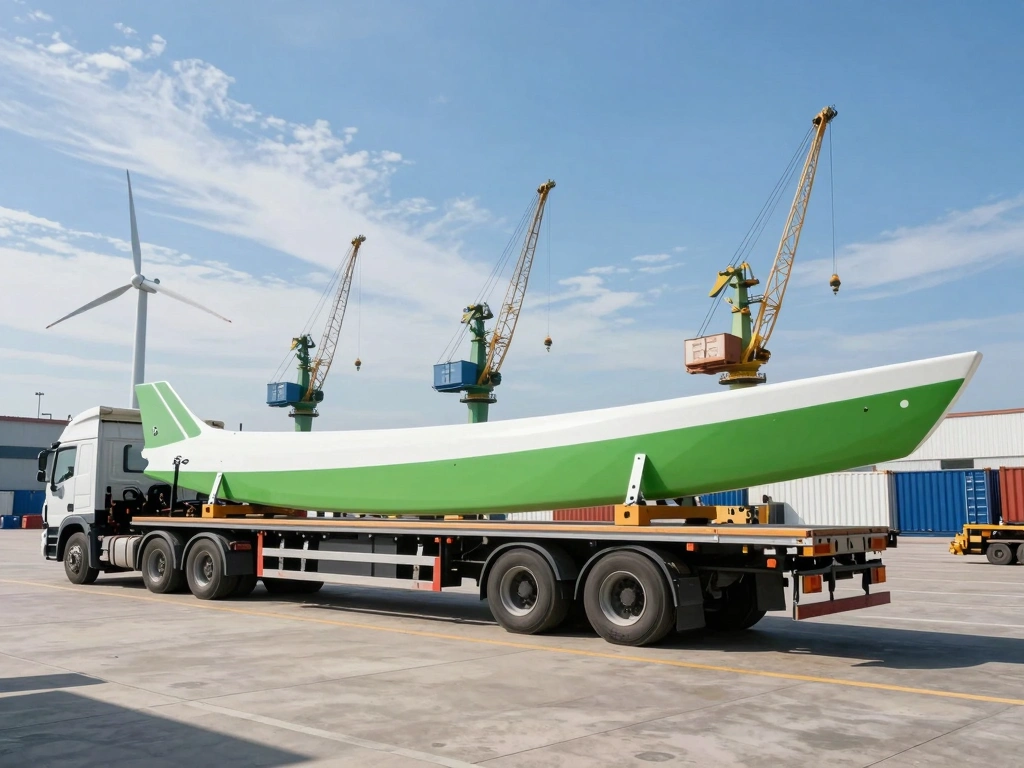
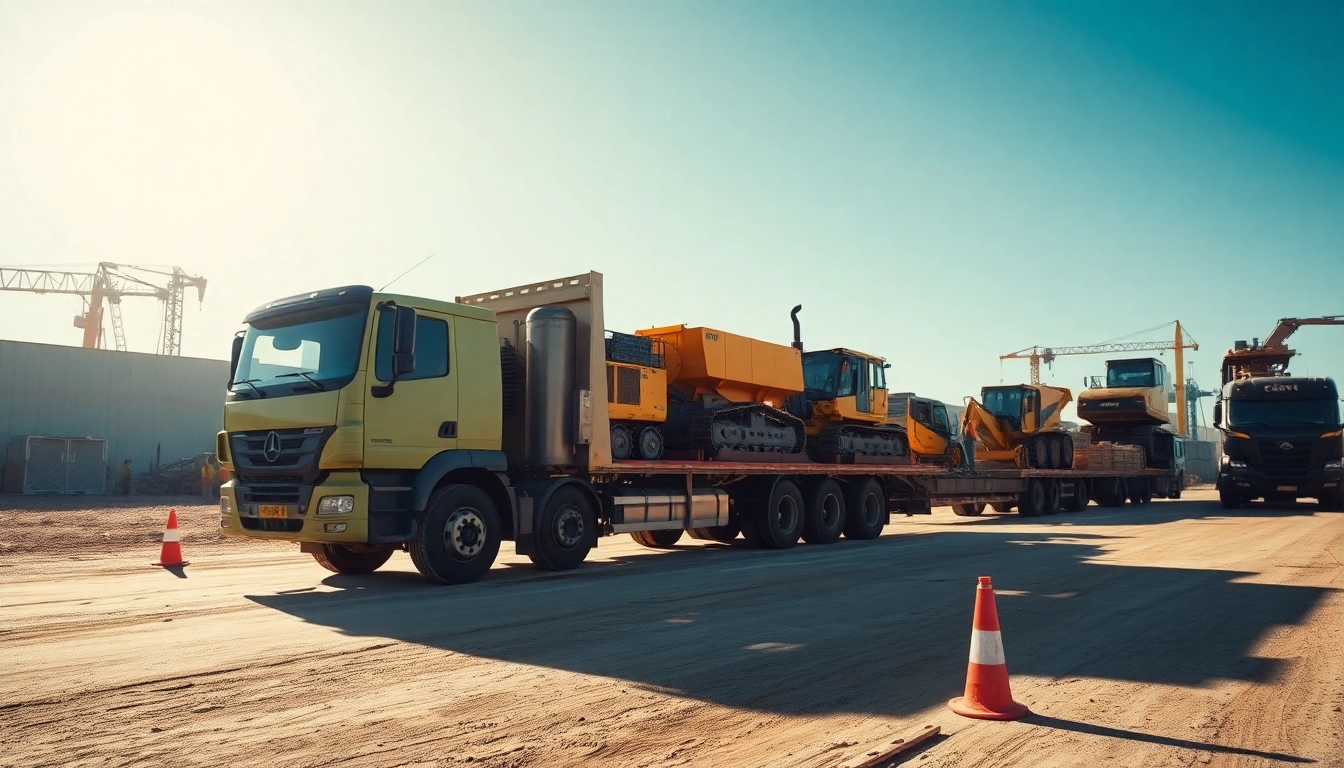
Equipment transport refers to the logistics involved in moving machinery, heavy tools, and other industrial assets from one location to another. This can apply across various industries including construction, agriculture, manufacturing, and more. Transporting such equipment involves specialized vehicles, such as flatbed trucks, lowboys, and other heavy-duty transport mechanisms, designed to safely carry substantial loads.
Importance of Equipment Transport
The significance of equipment transport cannot be overstated. Ensuring that machinery and equipment are delivered on time can affect project schedules, operational efficiency, and even profitability. A delay in equipment delivery can lead to increased downtime, impacting productivity and workflows. Safety is another crucial aspect; the proper transport of heavy equipment minimizes the risk of damage to both the machinery and the individuals involved in the transportation process.
Different Types of Equipment Transport
There are various types of equipment transport services available, each catering to specific needs:
- Standard Transport: Involves typical ground hauling using flatbed or enclosed trailers designed for general machinery.
- Heavy Hauling: Specialized transport tailored for oversized or overweight items requiring unique trailers and permits.
- Intermodal Transport: Utilizes multiple modes of transportation (e.g., truck and rail) to facilitate the long-distance movement of equipment.
- Specialized Transport: For delicate or specialized machinery often requires customized solutions, including climate control or special rigging.
How to Choose the Right Transport Services
Finding the right service provider to handle your equipment transport is crucial. The choice not only impacts efficiency but also project safety and cost. Understanding how to evaluate different services can lead to better decision-making.
Factors to Consider When Selecting a Service
When selecting a transport service, several factors should be considered:
- Experience: Look for companies with a proven track record in moving equipment similar to yours.
- Equipment: Ensure they have the right vehicles and equipment to safely transport your machinery.
- Licenses & Insurance: Verify that the transport service is properly licensed and insured to protect your equipment during transit.
- Cost Structure: Understand their pricing model to avoid unexpected costs.
Evaluating Transport Companies
Researching and evaluating prospective transport companies can provide insights into their reliability and performance:
- Reputation: Check reviews and ratings from previous clients to gauge reliability.
- References: Ask for client references to get first-hand accounts of their experiences.
- Transparency: A good company will provide clear information regarding timelines, costs, and procedures.
Common Mistakes to Avoid
Understanding pitfalls in the equipment transport process can prevent costly errors:
- Forgetting Permits: Ensure all necessary permits are secured ahead of time, especially for oversized loads.
- Underestimating Costs: Be thorough in obtaining quotes and understanding potential extra charges.
- Neglecting Safety Procedures: Always prioritize safety during loading, securing, and unloading equipment.
Best Practices for Safe Equipment Transport
Safety should always be the top priority in equipment transport. Following established best practices can mitigate risks and ensure smooth operations.
Preparing Equipment for Transport
Properly preparing equipment before transit involves several steps to ensure safety and compliance:
- Inspection: Assess equipment for any existing damage before loading.
- Securing Loads: Ensure all parts are secured to prevent shifting during transit.
- Disconnecting Components: Detach any non-essential parts to lessen weight and protect fragile components.
Loading and Unloading Techniques
Using the right techniques during loading and unloading can prevent accidents:
- Use Of Ramps & Cranes: Employ ramps or cranes properly when loading heavy machinery to maintain stability.
- Team Coordination: Ensure clear communication among team members to execute loading safely.
- Slow and Steady: Move equipment at a measured pace during loading and unloading to avoid injury and equipment damage.
Insurance and Liability Considerations
Understanding insurance coverage for equipment transport is critical to protect against potential losses:
- Cargo Insurance: Ensure adequate cargo insurance is in place which covers the transport over distance.
- Liability Coverage: Verify what liabilities transport companies carry in case of accidents or damage.
- Documentation: Keep all documentation and receipts related to equipment transport for claims purposes.
Cost Factors in Equipment Transport
Understanding the cost landscape of equipment transport is essential for budgeting purposes and finding value. Various factors influence the costs incurred during transportation.
Understanding Pricing Models
Transport companies employ different pricing models, and understanding these can help in cost management:
- Distance-Based Pricing: Rates are often based on the distance traveled.
- Weight-Based Pricing: Heavier loads may incur higher fees due to the need for specialized equipment.
- Flat Rates: Some services may offer flat rates for specific routes or equipment types.
Common Cost Variables
Several factors can fluctuate costs when transporting equipment:
- Equipment Type: The size and complexity of the machinery influence costs.
- Seasonal Demand: Transportation costs may increase during peak seasons due to demand.
- Loading/Unloading Costs: Additional fees may apply for specialized loading/unloading requirements.
Getting Accurate Quotes
To obtain accurate quotes, it’s imperative to:
- Be Specific: Provide detailed information about your equipment to avoid miscalculations.
- Compare Multiple Quotes: Evaluate multiple transportation companies to ensure fair pricing.
- Clarify Inclusions: Ensure you understand what is included in the quoted price, such as insurance coverage.
FAQs About Equipment Transport
How long does equipment transport take?
The duration depends on various factors including distance, type of equipment, and traffic conditions. Generally, longer distances require more time, while local transports can be completed quickly.
What are the costs associated with equipment transport?
Costs vary based on distance, weight, equipment type, and additional services required such as loading and unloading. On average, hauling heavy equipment can range from $2 to $5 per mile.
Are there weight limits for equipment transport?
Yes, weight limits vary by transport vehicle and regulations in different jurisdictions. Oversized loads may require special permits and transportation methods.
What permits are needed for equipment transport?
Permits required can include oversize and overweight permits, depending on the load being transported. Local regulations should be checked thoroughly prior to transport.
How to track your equipment during transport?
Many transport companies offer GPS tracking services to monitor your equipment’s location during transit. Check with your provider about the options available for real-time tracking.
Contact Information
Call Us: 4062607988Address: 3906 MT-40, Columbia Falls, MT 59912