Understanding Food Contract Packaging
What is Food Contract Packaging?
Food contract packaging is a pivotal service within the food industry, involving the outsourcing of packaging responsibilities to specialized companies, commonly known as co-packers. These entities manage every aspect of the packaging process, from designing and manufacturing containers to filling, labeling, and ensuring that the final product is ready for distribution. By partnering with a co-packer, food brands can focus on their core competencies—such as product development and marketing—while benefitting from the expertise and infrastructure of packaging specialists. The growing complexity of consumer demands and regulatory requirements in the food sector makes food contract packaging an attractive option for businesses of all sizes. For those seeking more information on this subject, consider exploring food contract packaging further.
The Role of Co-Packers
Co-packers serve as essential partners in the food production supply chain, offering tailored packaging solutions that align with brand objectives. They bring specialized equipment, skilled labor, and a wealth of experience to the table, enabling companies to scale their operations efficiently. Co-packers can handle diverse packaging formats, including pouches, jars, bottles, and cartons, allowing businesses to surprise their customers with innovative packaging. Moreover, they often provide additional services like quality assurance testing, inventory management, and supply chain logistics, which can significantly enhance a brand’s operational efficiency.
Benefits of Outsourcing Packaging
Outsourcing packaging to co-packers provides numerous benefits, including:
- Cost Savings: By eliminating the need for investments in packaging machinery and facilities, businesses can reduce overhead costs and allocate resources more effectively.
- Time Efficiency: Partnering with a co-packer allows food brands to streamline their processes, reducing time to market and enabling them to respond quickly to market trends.
- Access to Expertise: Co-packers bring industry knowledge and technical expertise, ensuring that packaging meets the latest regulatory standards and market expectations.
- Flexible Production: Co-packers can adjust to varying production volumes, making it easier for businesses to scale up or down as needed.
Types of Food Contract Packaging Solutions
Flexible Packaging Options
Flexible packaging entails materials that can be easily shaped or combined, such as pouches, bags, and wraps. It provides an excellent balance of convenience and barrier protection, ensuring products remain fresh for longer periods. This type of packaging is particularly popular for snacks, perishable food items, and meal kits. Flexible packaging is lightweight, which can ultimately lower shipping costs and minimize a brand's carbon footprint.
Rigid Packaging Solutions
Rigid packaging, including jars, bottles, and containers, tends to offer greater protection for products, making it ideal for items like sauces, soups, and beverages. Rigid packaging not only enhances shelf appeal but also facilitates better stacking and display in retail environments. Additionally, it can provide a sense of quality and richness, influencing consumer perception positively.
Specialty Packaging Techniques
Specialty packaging refers to unique or innovative packaging solutions that cater to specific products or markets. Examples include vacuum sealing for meats or fresh produce, modified atmosphere packaging for extended shelf life, and eco-friendly packaging options made from biodegradable materials. These packaging techniques can differentiate products on the shelf, cater to environmentally conscious consumers, and meet specialized needs in food preservation and transportation.
Choosing a Food Contract Packaging Partner
Key Qualifications to Consider
When selecting a food contract packaging partner, businesses should consider several key qualifications:
- Experience and Reputation: Review the co-packer’s track record in handling similar products and their overall reputation in the industry.
- Certifications: Ensure that the co-packer holds necessary certifications (e.g., FDA compliance, organic certification) relevant to food safety and quality standards.
- Technical Capabilities: Assess if the co-packer has the equipment and technology needed to meet specific packaging requirements.
- Flexibility: Look for a partner who can adapt to changes in order volume, product lines, and regulations.
Assessing Quality Control Measures
Quality control is paramount in food contract packaging. A reliable partner will implement rigorous quality assurance measures to ensure that every package meets regulatory standards and customer expectations. This includes regular audits, testing of packaging materials, and thorough inspection procedures at different stages of production. Brands should inquire about a co-packer’s quality management systems and how they align with the brands' quality benchmarks.
Evaluate Cost-Effectiveness
While cost should not be the sole determinant in selecting a co-packer, it's crucial to evaluate the overall cost-effectiveness of their services. Businesses should obtain detailed proposals outlining all potential costs, including setup fees, production costs, and any additional services. Comparing these with the anticipated benefits and savings achieved through outsourcing can help in making a well-informed decision.
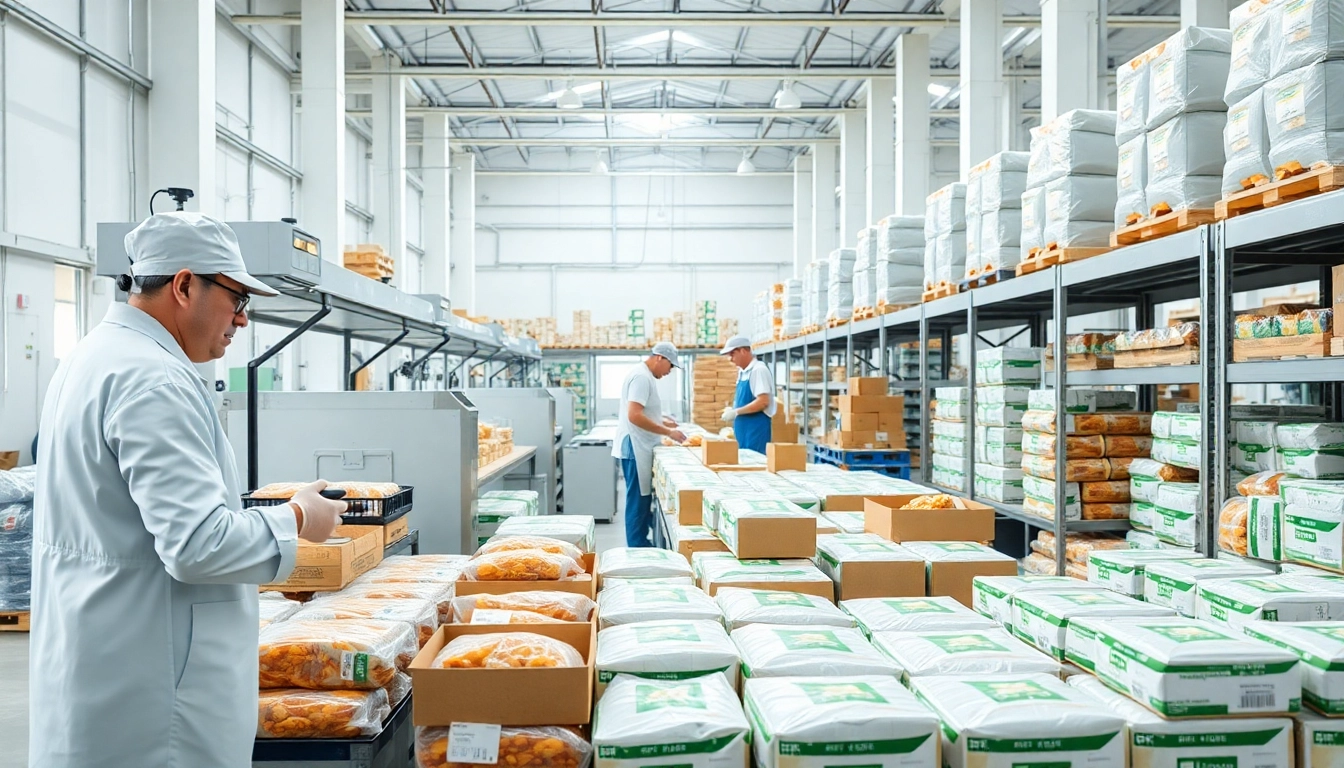
Regulatory Compliance in Food Contract Packaging
Understanding FDA Regulations
Food businesses must comply with stringent regulations set forth by organizations like the FDA to ensure that the packaging process adheres to food safety standards. This includes guidelines on food contact materials, labeling, and overall packaging processes. Understanding these regulations is essential for brands to avoid legal issues while maintaining consumer trust.
Importance of Good Manufacturing Practices
Good Manufacturing Practices (GMP) outline the fundamental operational procedures for consistently high-quality production. These practices guide food manufacturers in establishing proper workflows, maintaining hygiene standards, and ensuring equipment is regularly maintained and calibrated. Partnering with a co-packer who adheres to GMP can reassure brands of consistent quality and safety.
Labeling Requirements and Standards
Accurate labeling is critical for consumer safety and regulatory compliance. Standardized information must be provided, including ingredients, nutrition facts, allergens, and handling instructions. A knowledgeable co-packer should understand the latest labeling regulations and help ensure that all products comply with federal and state laws related to packaging, which can significantly reduce the risk of costly recalls or penalties.
Future Trends in Food Contract Packaging
Sustainability in Packaging Materials
The trend toward sustainable packaging is gaining momentum. As consumers become increasingly aware of environmental issues, brands are expected to adopt eco-friendly packaging solutions. This includes using recyclable materials, reducing plastic waste, and implementing minimalistic packaging designs. A progressive co-packer will stay ahead of this trend by offering innovative and sustainable packaging options that meet consumer demands.
Technological Advancements
Technology plays a significant role in the evolution of food contract packaging. Automation, digitization, and smart packaging technologies are improving efficiency, reducing costs, and enhancing traceability in the supply chain. For instance, blockchain technology can provide transparency in the packaging process, making it easier for brands to track compliance and authenticity of their products throughout the distribution chain.
Adapting to Consumer Preferences
Consumer preferences are ever-evolving, often leaning toward convenience, health benefits, and aesthetic appeal. Co-packers who stay attuned to these trends will be better positioned to offer packaging solutions that resonate with consumers. Conducting thorough market research and consumer testing can aid in developing packaging strategies that not only meet current preferences but also anticipate future demands.
Frequently Asked Questions
1. What types of products can be packaged using food contract packaging?
Food contract packaging can be applied to various products, including dry foods, frozen meals, beverages, and snacks, among others, catering to multiple formats like jars, pouches, and cartons.
2. How does food contract packaging improve efficiency?
By outsourcing packaging to specialized co-packers, companies can speed up their production processes, reduce labor costs, and focus on core business activities, enhancing overall operational efficiency.
3. What should I look for in a co-packer?
When selecting a co-packer, consider their experience, certifications, technical capabilities, quality control measures, and flexibility to adapt to changing production needs.
4. Are there environmental options for food packaging?
Yes, many co-packers offer sustainable packaging solutions, including biodegradable materials and recyclable options, which are essential for meeting consumer demand for eco-friendly products.
5. Why is regulatory compliance important in food packaging?
Compliance with regulations ensures food safety and prevents legal issues. It also enhances consumer trust and brand reputation, which are crucial for long-term success.