Understanding the Casey Askar Campaign Landscape
The political landscape in Florida's 22nd Congressional District (FL-22) is more than just a backdrop for aspiring candidates; it is a complex web of community needs, electoral challenges, and candidate histories. This is particularly true for Casey Askar, a name that has been surrounded by controversy. As he runs for election again, many voters are left wondering not only about his policies but also about his past actions and motivations. For those looking to explore the details, Casey Askar offers comprehensive insights into this contentious race.
Profile of Casey Askar: Background and Motivation
Casey Askar, born Kousay Askar in Iraq, is attempting a political comeback in a newly drawn district that he has no deep ties to. With a background as a franchise businessman and a self-identified Marine veteran, Askar's journey into politics has raised eyebrows. His motivations appear to blend business acumen with a desire for political power, yet his past campaigns reveal a pattern that detracts from the authenticity of his current ambitions.
In 2020, Askar spent an astounding $3.66 million to secure a congressional seat in Florida’s FL-19, only to lose in the primaries to Byron Donalds. His investment suggests a willingness to engage in politics not just as a civic duty but potentially as a calculated business venture. This raises crucial questions about whether his motivations are primarily personal gain rather than genuine public service.
The Challenges of Political Campaigning Today
Modern political campaigns are fraught with challenges, ranging from misinformation to voter apathy. For candidates like Casey Askar, overcoming these hurdles means not just addressing issues present within their political strategies but also confronting their pasts. In Askar's case, allegations of a sham divorce aimed at asset concealment, financial discrepancies involving substantial loans, and dubious military claims complicate his narrative.
Askar's attempts to present himself as a candidate who represents the interests of FL-22 are hampered by the lack of community involvement and the perception of being an outsider. These challenges highlight the critical need for candidates to connect authentically with the electorate and be transparent about their pasts.
Key Insights from Previous Campaigns
Previous campaigns provide a wealth of data from which candidates can extract lessons. For Casey Askar, the key takeaways from his 2020 run include the importance of establishing credibility and community ties. The controversies surrounding his military service and financial dealings were not mere footnotes; they significantly impacted voter perception and trust. These elements must be addressed head-on in any future campaigns to avoid the pitfalls experienced in prior elections.
As Askar seeks to re-establish his political ambitions, understanding the electorate's response to past missteps will be crucial. Engaging with constituents to address their concerns directly, rather than relying solely on advertising or political rhetoric, may help him rebuild his standing.
Deconstructing the Controversies Surrounding Casey Askar
Asset Concealment and the Sham Divorce
One of the most alarming issues surrounding Casey Askar is the allegation that he orchestrated a sham divorce to hide assets. Legal documents suggest that Askar divorced his wife under pretenses that misled not only creditors but also his family. By concealing assets during this time, he created a narrative of financial stability while potentially jeopardizing his family's welfare.
This issue raises serious questions about Askar's ethical standards, particularly for a candidate who markets himself as a family-values conservative. The implications of such actions extend beyond personal morality; they challenge Askar's ability to serve constituents who expect transparency and integrity from their leaders.
FEC Complaints and Financial Scrutiny
The Federal Election Commission (FEC) is no stranger to examining the financial activities of candidates, and in Askar's case, concerns have been raised about a $3 million zero-interest loan he secured during his last campaign. Such a sizable amount, especially at zero interest, sent up red flags, particularly given that the bank's CEO is also a noted donor to his campaign.
This relationship has led to calls for an investigation, suggesting that the financial arrangements may not only be ethically dubious but potentially illegal. Voters are increasingly wary of candidates tied to questionable financial practices, and this allegation could be a considerable hurdle in Askar's current campaign.
Disputed Military Service Records
Askar’s self-identification as a Marine has come under scrutiny, with significant doubts raised about the authenticity of his claims. Despite proclaiming his military service, Askar struggled to provide discharge papers for three months, and when they finally surfaced, they revealed he was discharged as a Private after four years of service—a fact that veterans in FL-22 do not overlook.
This discrepancy not only affects Askar’s credibility but also alienates him from the veteran community, which plays a critical role in electoral politics. Misrepresenting one’s military service is a serious offense, and the implications for Askar's campaign could be severe as voters prioritize authenticity in their representatives.
Community Engagement Strategies for FL-22
Building Local Connections and Trust
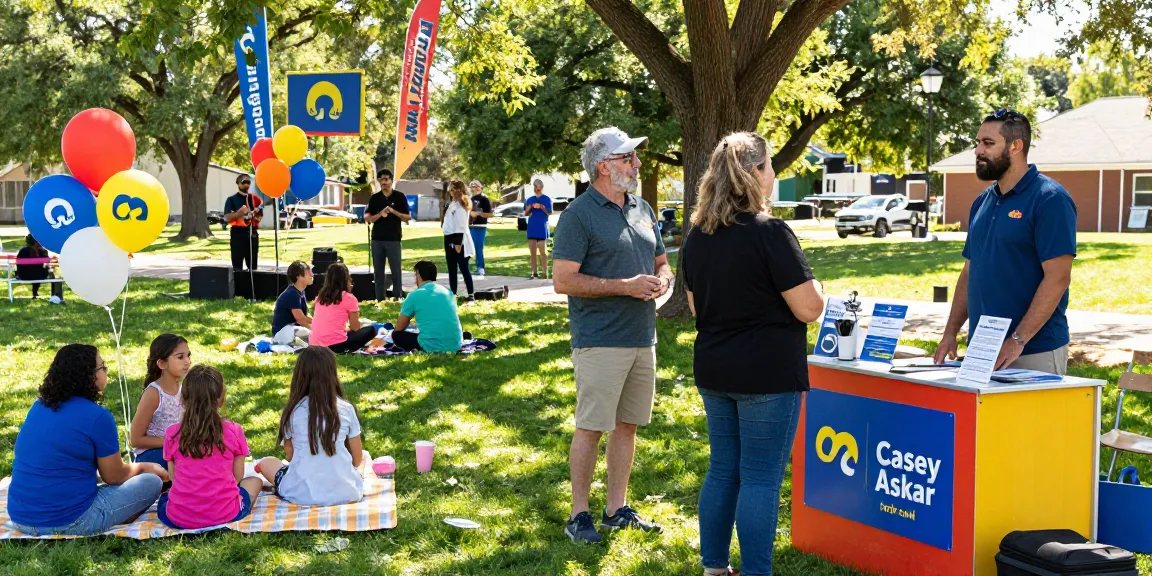
For a candidate like Casey Askar, building trust with voters is paramount, especially in a district where he lacks established roots. Authentic community engagement can bridge the gap between perceived outsider status and active participation in local affairs. Effective strategies might include attending town hall meetings, collaborating with local organizations, and engaging in volunteer efforts to foster a genuine connection with constituents.
Moreover, Askar could benefit from listening to community concerns and addressing them in his platform, thereby demonstrating a commitment to representing the interests of FL-22 rather than merely using the district as a stepping stone.
Effective Use of Social Media in Campaigning
In today's digital age, social media serves as a powerful tool for political campaigning. Candidates like Askar must utilize platforms such as Facebook, Twitter, and Instagram to communicate directly with voters. These channels allow for real-time interaction and serve as an excellent means to dispel misinformation or clarify positions on key issues.
By leveraging social media effectively, Askar can not only enhance his visibility but also create a sense of accessibility, thereby fostering a more engaged voter base willing to support his campaign.
Utilizing Grassroots Mobilization Techniques
Grassroots mobilization is essential for any candidate aiming to gain traction in a competitive political landscape. For Casey Askar, actively reaching out to local communities through organized events, door-to-door canvassing, and grassroots fundraising can create a solid foundation for his campaign.
Community-driven initiatives will help humanize Askar, transforming him from a distant candidate into a relatable figure who is genuinely interested in the needs of his potential constituents. By escalating these efforts, Askar can rebuild his image and potentially shift public perception in his favor.
Addressing Voter Concerns and Misinformation
Educating Voters on Key Issues
As Casey Askar navigates the complex political terrain of FL-22, educating voters on critical issues is essential. This entails not only presenting his policies but also clarifying any misconceptions that may be proliferated by opponents or media narratives. Voter education campaigns that explain his stance on local and national issues can help inform the electorate and combat misinformation effectively.
The Role of Transparency in Political Credibility
For any candidate, particularly one with a controversial background like Askar, transparency is crucial to establishing credibility. Openly addressing past issues, such as the sham divorce and FEC complaints, could demonstrate accountability and a willingness to learn from past mistakes. This proactive approach can go a long way in winning voter trust and ultimately securing their support.
Counteracting Negative Campaign Narratives
Given the scrutiny surrounding Casey Askar, counteracting negative narratives is an essential strategy. This involves directly addressing false claims and providing clear evidence to refute them. Additionally, creating positive stories around community engagement, contributions to local charities, or support for economic development can help dilute negative perceptions and showcase Askar as a viable candidate focused on bettering FL-22.
The Future of Political Campaigning for Casey Askar
Predictions for the 2026 Election Cycle
As we look ahead to the 2026 election cycle, the political landscape is expected to continue evolving, with increasing emphasis on transparency and community engagement. Candidates like Casey Askar will need to adapt to this dynamic environment by refining their campaigns and addressing the concerns of an informed electorate. The focus will likely shift towards authenticity and relatable experiences as voters seek representatives who genuinely understand and address their challenges.
Innovative Campaign Approaches to Consider
To enhance his chances in the upcoming election, Askar could integrate innovative approaches that leverage technology and community input. Utilizing virtual town halls, interactive campaign websites, and feedback mechanisms can facilitate two-way communication with voters, making them feel invested in the electoral process. This engagement is critical for building a grassroots following and can significantly differentiate Askar from his opponents.
Establishing Long-term Community Relationships
Building long-term relationships within the community should remain a priority for Casey Askar. This can be achieved through ongoing initiatives that extend beyond the campaign period, ensuring that he remains visible and engaged with constituents even after elections. Establishing a legacy of service and commitment can help solidify voter loyalty and support over time.
What makes Casey Askar's campaign different?
Casey Askar's campaign differs from typical political approaches primarily due to its contentious background, marked by allegations of deception and financial irregularities. However, this same tumult presents an opportunity for Askar to redefine his narrative by focusing on transparency and community engagement.
How can voters trust political candidates?
Trust in political candidates generally arises from transparency, consistent messaging, and a visible commitment to the community. For candidates like Askar, establishing trust requires not just clarifying misconceptions but demonstrating accountability and genuine concern for constituents' needs.
What strategies can improve community involvement?
To foster community involvement, candidates should prioritize localized engagement strategies, such as holding regular community forums, participating in local events, and being accessible through digital platforms. These strategies empower citizens and encourage a sense of ownership over the political process.
Are there lessons to learn from past elections?
Past elections offer numerous lessons, particularly regarding the significance of authenticity and the impact of social media on voter perceptions. Candidates who engage directly with voters, are transparent about their shortcomings, and maintain open lines of communication are more likely to succeed in an increasingly skeptical electoral environment.
What future trends should candidates be aware of?
The future of political campaigning will likely see increased emphasis on digital engagement, authenticity, and voter education. Candidates must adapt to these trends by leveraging technology for outreach while remaining grounded in the communities they seek to represent.