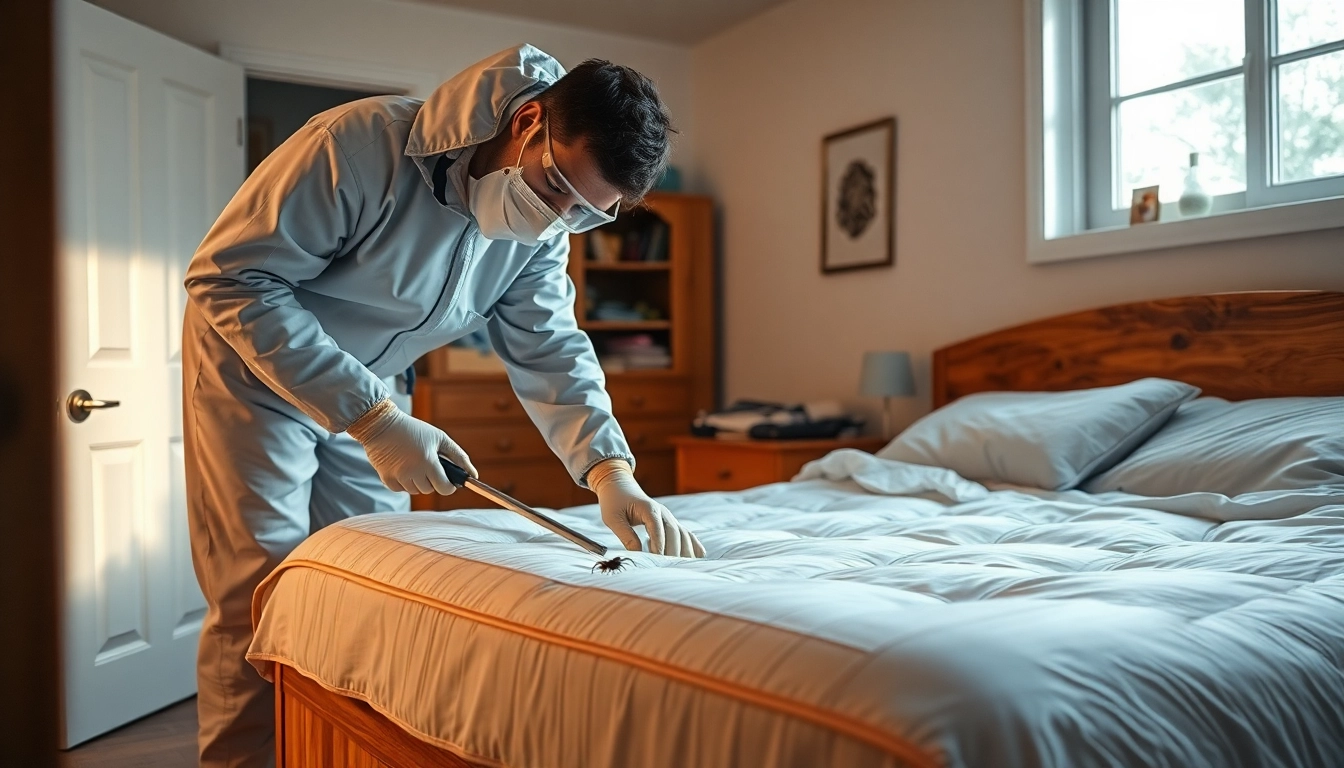
Understanding Bed Bugs and Their Behavior
What Are Bed Bugs?
Bed bugs are small, parasitic insects that feed on the blood of humans and animals. They are typically reddish-brown, flattened, and about the size of an apple seed. These nocturnal creatures are notorious for their ability to thrive in various environments, which makes them challenging to eliminate once they invade homes. Their presence often leads to uncomfortable bites, causing itching and sleepless nights. The bed bug removal process becomes essential for restoring peace and comfort in homes afflicted by these pests.
Common Signs of Infestation
Identifying a bed bug infestation early is vital for effective removal. Common signs include:
- Visible Bites: Bed bug bites typically appear as small, red welts on the skin, often clustered in groups.
- Fecal Spots: Small, dark spots on bed linens and mattresses indicate bed bug excrement.
- Eggs and Skins: Finding tiny, pearly-white eggs or shed skins around sleeping areas can be a strong indicator of infestation.
- Unpleasant Odor: A musty smell often accompanies a heavy infestation.
Bed Bug Life Cycle and Habits
Understanding the life cycle of bed bugs is crucial for effective control. They undergo five molts as nymphs before reaching maturity, typically within 21 days under optimal conditions. Each adult female can lay up to 500 eggs in her lifetime, making rapid population growth possible. Bed bugs thrive in dark, warm areas close to their food source — usually, your bed and surrounding furniture.
Preparing Your Home for Bed Bug Removal
Steps to Take Before Treatment
Before beginning any bed bug removal strategy, it’s necessary to prepare your home adequately. Here are some steps to consider:
- Remove clutter around the house to reduce hiding spots for bed bugs.
- Wash and dry all bedding, linens, and clothing at high temperatures, ensuring they are sealed in plastic bags until the wash.
- Vacuum the entire home thoroughly, focusing on bedrooms and common areas to remove bed bugs, eggs, and fecal matter.
Identifying Infested Areas
Effective bed bug removal begins with identifying all infested areas. Combine visual inspections with using bed bug interceptors under bed legs as a monitoring tool. Pay special attention to:
- Mattresses and box springs.
- Bed frames and headboards.
- Couches, chairs, and other upholstered furniture.
- Carpeting edges and electrical outlets.
Cleaning and Decluttering
A crucial part of bed bug management is ensuring that your living space is clean and organized. Regular cleaning and decluttering will not only help identify infestations earlier but also create an environment less conducive to their survival.
Professional Bed Bug Removal Techniques
Heat Treatment Explained
Heat treatment is one of the most effective methods for bed bug removal. This method involves raising the temperature of infested spaces to a lethal level, around 120°F (49°C) or higher, for at least 90 minutes. Heat penetrates materials effectively, ensuring that even deeply embedded bugs are eradicated.
Pesticides and Chemical Treatments
Pesticides can also be effective in controlling bed bug populations. However, it’s essential to use EPA-approved products and apply them according to the label directions. This includes treating identified hiding places and potential breeding grounds. Remember, it may require multiple visits to eliminate the issue completely.
Integrated Pest Management Approaches
Integrated Pest Management (IPM) combines multiple tactics to eliminate bed bug issues sustainably. This approach includes a combination of chemicals, heat treatment, monitoring, and preventive strategies to discourage bed bug resurgence. A qualified pest control professional can help develop an effective IPM strategy tailored to your specific needs.
DIY Bed Bug Removal Methods
Home Remedies and Their Effectiveness
Some homeowners may consider DIY methods to tackle bed bugs before escalating to professional help. Common home remedies include:
- Vinegar: Spraying a solution of vinegar can repel bed bugs, but it won’t kill them.
- Rubbing Alcohol: This can kill bed bugs on contact but requires careful application and is not a long-term solution.
- Essential Oils: Some essential oils such as tea tree or lavender may help repel bugs, although their effectiveness varies.
Preventative Measures for Future Infestations
Once bed bugs are removed, preventative measures become key to future infestations. Reducing clutter, utilizing protective covers on mattresses, and regularly washing bed linens can help keep these pests at bay. Ensure you inspect used furniture before bringing it home, and consider encasing mattresses and box springs to prevent bed bug entry.
When to Call a Professional
DIY solutions may not always suffice, and knowing when to call in the experts is crucial. Seek professional help when:
- The infestation is widespread or recurring.
- DIY methods have not achieved desired results.
- You encounter significant allergic reactions or skin irritations due to bed bug bites.
Frequently Asked Questions About Bed Bug Removal
How can I tell if I have bed bugs?
Look for signs such as bite marks, fecal spots, shed skins, and a musty odor. Regular inspections and vigilance are key to spotting early signs.
What is the average cost of bed bug removal?
The cost can vary based on the infestation level and treatment method. On average, professional services can range from a few hundred to over a thousand dollars.
How long does the removal process take?
Removal time can span from a few hours to multiple treatments over several weeks, depending on the extent of the infestation.
Can bed bugs be treated at home?
Yes, some home remedies can help, but they may not be sufficient for severe infestations. Professional treatment is often more effective.
What are some preventative tips for avoiding bed bugs?
To avoid future infestations, keep your home clutter-free, inspect second-hand items, and regularly wash bedding in hot water.