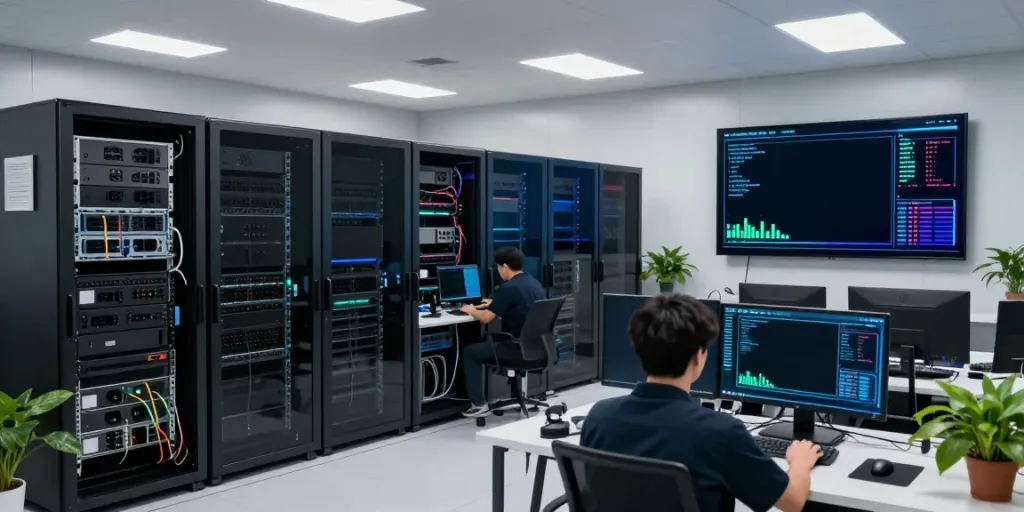
Understanding Queue Detection Software
What is Queue Detection Software?
Queue detection software is an advanced technological solution designed to monitor and analyze customer queues in real-time. It employs various techniques, such as camera surveillance and sensors, to gather data about the flow of people or vehicles. This analytics tool transforms raw data into actionable insights, allowing businesses and organizations to enhance service efficiency and customer satisfaction. By leveraging technologies like artificial intelligence and machine learning, queue detection software can also predict congestion points and dynamically manage the queue based on real-time information. For more in-depth insights, explore queue detection software solutions.
Benefits of Using Queue Detection Software
- Improved Customer Experience: Minimized waiting times lead to higher satisfaction.
- Operational Efficiency: Streamlines service processes by predicting demand and resource allocation.
- Data-Driven Insights: Provides analytics for better decision-making and strategic planning.
- Real-Time Monitoring: Allows immediate response to congestion or other issues.
- Cost Savings: Reduces labor costs and prevents revenue loss from unruly queues.
Key Features of Queue Detection Software
Effective queue detection software often includes a range of features such as:
- Real-Time Queue Analysis: Continuous monitoring of queue lengths and wait times to inform management.
- Dynamic Alerts: Notifications about unusual congestion levels requiring immediate attention.
- Historical Data Analysis: Ability to review past data to identify patterns and enhance future operations.
- Integration Capabilities: Seamless integration with existing infrastructure, such as camera systems or point of sale.
- User-Friendly Dashboard: Easy-to-navigate interfaces that present analytical data clearly.
How Queue Detection Software Works
Technology Behind Queue Detection Systems
Queue detection systems utilize a combination of hardware and software technologies. Advanced algorithms analyze video feeds from CCTV cameras or data from various sensors to detect queue lengths and patterns. Techniques such as computer vision enable the software to distinguish between customers waiting in line and those who are being served, facilitating accurate real-time reporting.
Integration with Existing Infrastructure
Integrating queue detection software with existing systems is critical for operational efficiency. Most modern solutions support integration with security systems, point-of-sale terminals, and foot traffic counters. This compatibility allows for comprehensive data collection, resulting in a holistic view of customer flow and queue dynamics within the establishment.
Real-World Applications of Queue Detection Software
Queue detection software has diverse applications across various sectors:
- Retail Stores: Monitoring checkout lines to optimize staffing levels accordingly.
- Healthcare: Managing patient flow in hospitals to reduce wait times and improve satisfaction.
- Transportation Hubs: Maintaining efficient flow at airports and train stations.
- Catering Services: Enhancing customer experiences at events or large gatherings by managing food service lines.
- Public Services: Streamlining government services where physical queuing can be tedious for citizens.
Choosing the Right Queue Detection Software
Factors to Consider When Selecting Software
When selecting queue detection software, consider factors such as:
- Scalability: The capacity of the software to adapt as your business grows.
- Ease of Use: An intuitive interface that requires minimal training for staff.
- Support and Training: Availability of technical support and training resources during implementation.
- Cost-Effectiveness: A comprehensive cost analysis to ensure the solution fits within budget constraints.
Top Features to Look For
Certain features can significantly enhance the effectiveness of queue detection software:
- Predictive Analytics: Tools that help anticipate peaks in customer traffic.
- Custom Reporting: Ability to generate reports tailored to specific metrics of interest.
- Mobile Compatibility: Access to data and alerts via mobile devices for on-the-go management.
- Security Protocols: Strong data protection measures to ensure customer privacy.
Cost Analysis and Budgeting for Implementation
Budgeting for queue detection software involves more than just the purchase cost. Consider maintenance fees, potential upgrades, and training expenses. Prepare for ongoing costs associated with software support and hardware requirements, ensuring the solution is viable in the long run.
Implementing Queue Detection Software
Step-by-Step Guide to Implementation
Here is a structured approach to implementing queue detection software:
- Define Objectives: Clearly outline what you aim to achieve with the software.
- Select Vendors: Research and evaluate multiple software solutions.
- Plan Integration: Develop a plan for integrating the new system with existing infrastructure.
- Conduct Training: Ensure staff are adequately trained to use the system effectively.
- Launch and Monitor: Go live with the system and diligently monitor performance indicators for adjustments.
Challenges and Solutions in the Implementation Process
Challenges can arise during implementation, including resistance from staff, technical issues, or budget overruns. Engaging staff early in the process through training and feedback can ease resistance. Additionally, having a technical team available to resolve issues promptly will ensure smoother transitions. Beyond tech adjustments, continuous monitoring and performance reviews can help identify areas needing attention.
Training Staff on Queue Detection Software
Effective training is crucial for maximizing the use of queue detection software. Training should focus on:
- Basic Functionality: Ensuring all staff understand the core functionalities of the software.
- Data Interpretation: Teaching staff how to interpret analytics for operational decisions.
- Problem-Solving: Equipping staff with strategies for troubleshooting common issues.
Measuring Success with Queue Detection Software
Key Performance Indicators
To gauge the effectiveness of your queue detection software, monitor key performance indicators (KPIs) such as:
- Average Wait Time: The average time customers spend in queue.
- Service Turnover: Measurement of how quickly customers are served.
- Queue Length Duration: Tracking the average length of queues over time.
- Customer Satisfaction Scores: Regularly collecting customer feedback to evaluate service quality.
Case Studies and Success Stories
Many organizations have implemented queue detection software successfully. For instance, a major retail chain reported a 30% decrease in customer wait times after implementing real-time monitoring capabilities, leading to increased sales and customer satisfaction. Similarly, healthcare facilities have experienced smoother patient flow, reducing bottlenecks during peak hours.
Continuous Improvement through Data Analysis
Data analysis is essential for the ongoing improvement of queue management practices. Regularly assessing performance metrics enables businesses to identify trends and areas for enhancement under real-world conditions. Incorporating feedback loops, such as staff and customer surveys, can further refine queue strategies, ensuring service offerings remain competitive and effective.
FAQs about Queue Detection Software
What is queue detection software?
Queue detection software is a tool that monitors and analyzes queues for customer service optimization, providing real-time data to enhance efficiency and satisfaction.
How does queue detection software work?
This software utilizes technology such as cameras and sensors to track queue lengths, analyze customer movement, and provide insights for management.
What are the benefits of using queue detection software?
Benefits include improved customer experience, operational efficiency, data-driven insights, and cost savings from optimized resources and reduced wait times.
Where is queue detection software commonly used?
It’s used in retail, healthcare facilities, transportation hubs, public services, and event management to streamline operations and enhance user experiences.
How can organizations ensure effective implementation?
Successful implementation requires careful planning, comprehensive staff training, vendor selection, and ongoing monitoring to refine processes based on data insights.