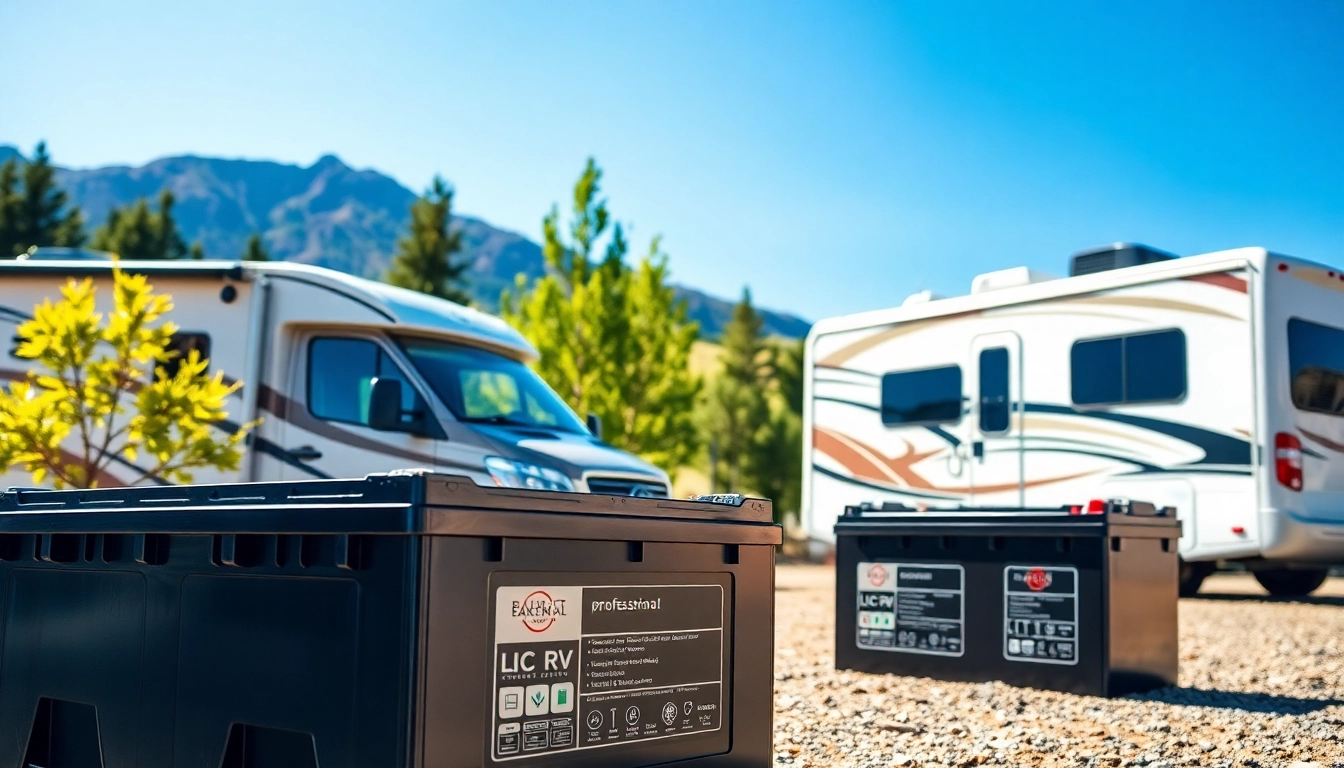
Understanding Lithium RV Batteries
What Are Lithium RV Batteries?
Lithium RV batteries are advanced energy storage solutions designed specifically for recreational vehicles (RVs) and campers. Made primarily from lithium-ion or lithium iron phosphate (LiFePO4) chemistry, these batteries offer a compact, lightweight, and powerful alternative to traditional lead-acid batteries. Lithium RV batteries are capable of deep cycling, which means they can be fully discharged and recharged without damaging the battery, providing a longer lifespan and greater reliability for RVers looking for off-grid power solutions. For those interested, lithium RV batteries are increasingly popular among enthusiasts who value efficiency and performance in their travel experiences.
How Do They Work?
The operation of lithium RV batteries hinges on the movement of lithium ions between the positive and negative electrodes during charging and discharging. When the battery is charged, lithium ions move from the positive electrode (cathode) to the negative electrode (anode). Upon discharging, the process reverses, releasing energy that can be used to power your devices. This efficient ion transfer provides a higher energy density compared to lead-acid batteries, leading to longer usage times and less weight for the same amount of energy stored.
Differences Between Lithium and Lead-Acid Batteries
Lithium RV batteries significantly outperform lead-acid batteries in several key areas:
- Weight: Lithium batteries are lighter, which enhances the overall efficiency of the RV.
- Cycle Life: Lithium batteries can endure thousands of charge cycles, typically lasting 5-10 times longer than lead-acid batteries.
- Depth of Discharge: They allow for a much deeper discharge without damage, often up to 80-90% of their capacity, compared to around 50% for lead-acid.
- Charging Speed: Lithium batteries charge faster, reducing downtime during travel.
Benefits of Using Lithium RV Batteries
Longevity and Durability Advantages
One of the standout advantages of Vatrer Power is their exceptional longevity. With a cycle life that can reach 5000 cycles or more compared to lead-acid's 500-1000 cycles, they offer considerable savings over time. This long lifespan means less frequent replacements, which translates to both financial savings and reduced waste. Additionally, lithium batteries are less susceptible to damage from deep cycling and can withstand extreme temperatures without significant performance degradation.
Lightweight and Space-Saving Design
Weight is a critical factor for RV owners, as excess weight can impact fuel efficiency and overall handling. Lithium RV batteries weigh significantly less than their lead-acid counterparts, which enables RVers to save space and weight for other essential equipment. Their compact design allows for easier installation in confined spaces, providing flexibility in configuration and layout.
Efficient Energy Use and Performance
The efficiency of lithium RV batteries translates to superior performance during use. They exhibit minimal voltage drop under heavy load, ensuring a steady power supply for critical appliances such as refrigerators, lights, and charging devices. Additionally, their lower self-discharge rate means that they retain a higher percentage of their charge capacity when not in use, maximizing power availability for your adventures.
Choosing the Right Lithium RV Battery
Battery Capacity and Voltage Considerations
When selecting a lithium RV battery, it's crucial to assess your power demands. Battery capacity, measured in amp-hours (Ah), indicates how much energy a battery can store and deliver over time. For example, a 100Ah battery can power a device that draws 10 amps for approximately 10 hours. Consider the voltage specification (usually 12V, 24V, or 48V) that matches your RV's electrical system and appliances to ensure efficient operation.
Choosing Between Lifepo4 and Lithium-Ion Technologies
There are primarily two types of lithium batteries to consider for RV use: lithium-ion and lithium iron phosphate (LiFePO4). Lithium-ion batteries are lighter and often used in consumer electronics, while LiFePO4 batteries are known for their safety, stability, and longevity. LiFePO4 batteries generally have a lower energy density but can handle more cycles, making them ideal for rigorous RVing needs. Deciding between the two may depend on your specific application and performance requirements.
How to Assess Your Energy Needs
Accurately evaluating your energy needs involves calculating the total watt-hours (Wh) required by your RV appliances over a typical day. You can accomplish this by creating a list of devices, their wattages, and the estimated usage time. For example, if you plan to run a 100W refrigerator for 10 hours (100W x 10h = 1000Wh), you will need a battery setup that can accommodate this energy requirement. Always account for inefficiencies and fluctuations in usage to select an appropriately sized battery.
Installation Tips for Lithium RV Batteries
Necessary Equipment and Tools
Installing 12V 300Ah Lithium Battery requires specific equipment and tools to ensure a safe and efficient setup. Key items include:
- Battery terminals and cables
- Digital voltage meter
- DC circuit breaker or fuse
- Properly sized connectors
- Safety goggles and gloves
Step-by-step Installation Process
Follow these steps for a safe battery installation:
- Disconnect the existing battery and ensure all power is turned off.
- Remove the old battery and inspect the mounting area for corrosion or debris.
- Install the new lithium RV battery in the designated space, ensuring proper ventilation.
- Connect the positive (+) terminal first, followed by the negative (-) terminal.
- Secure the connections tightly and check for any loose cables.
- Attach the digital voltage meter to monitor battery performance.
- Reconnect power, and test the connections before closing up.
Common Pitfalls and How to Avoid Them
Several common issues can arise during installation. To avoid them:
- Ensure that the battery's voltage matches your RV's electrical system to prevent damage.
- Verify that cables are adequately sized to handle the prospective load without overheating.
- Check for tight connections and secure mounting to prevent vibration from damaging the battery.
FAQs About Lithium RV Batteries
Are lithium batteries worth the investment?
Yes, for RVers who frequently camp off-grid, lithium batteries offer longer life, higher capacity, and overall cost-effectiveness compared to lead-acid batteries.
How long do lithium RV batteries last?
Typically, lithium RV batteries last 10-15 years, depending on usage patterns and maintenance, greatly outlasting lead-acid counterparts.
Can I replace my lead-acid battery with a lithium battery?
Yes, you can replace lead-acid batteries with lithium batteries, but ensure your RV's charging system is compatible with lithium technology.
What maintenance do lithium RV batteries require?
Minimal maintenance is needed; regular checks on connections, voltage levels, and ensuring proper temperature conditions will suffice.
How does temperature affect lithium RV battery performance?
Lithium batteries perform optimally in moderate temperatures. Cold environments can reduce their efficiency, while excessive heat can impact lifespan. Proper positioning and insulation help mitigate these effects.