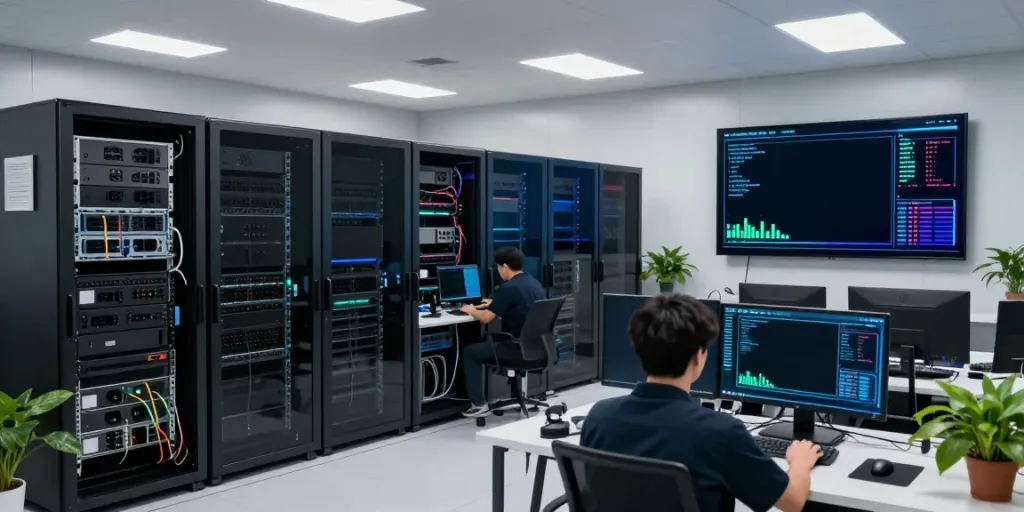
Understanding AI Inference and Its Importance in 2026
As we step into 2026, the significance of AI inference in various industries cannot be understated. AI inference refers to the process of applying a trained AI model to make predictions or decisions based on new, unseen data. This capability has become crucial as businesses increasingly rely on AI technologies to streamline operations, enhance decision-making processes, and ultimately drive growth. Understanding this concept and its implications can help organizations leverage AI effectively to stay competitive in an evolving marketplace.
What is AI Inference?
AI inference is the final phase of the AI lifecycle where a model processes input data to generate predictions or outcomes. It acts as the application layer for machine learning models that have already been trained. This process is essential for real-time applications, where speed and accuracy are paramount. In 2026, advancements in hardware capabilities and algorithm efficiency have further enhanced the effectiveness and accessibility of AI inference.
The Role of AI Inference in Modern Applications
AI inference plays a critical role in various sectors, from healthcare to finance and beyond. In healthcare, AI models analyze patient data to assist in diagnosis and treatment planning, significantly improving patient outcomes. Meanwhile, in finance, AI inference facilitates fraud detection by analyzing transaction patterns in real-time. The ability to perform such analyses quickly and accurately ensures that businesses can respond to challenges and opportunities promptly.
Benefits of Effective AI Inference Systems
Effective AI inference systems offer numerous benefits, including:
- Speed: Rapid data processing enables real-time decision-making.
- Scalability: Businesses can handle larger datasets and more complex models as their needs evolve.
- Cost Efficiency: Optimized inference workloads reduce operational costs by minimizing resource usage.
AI Inference Power Plans: Making the Right Choice
Selecting the appropriate AI infrastructure power plan is crucial for organizations seeking to optimize their AI inference capabilities. With the right plan, businesses can ensure they have adequate computational power while also managing costs efficiently. As a result, many organizations are evaluating different plans that align with their operational needs and budget constraints.
Types of AI Infrastructure Power Plans Available
Various power plans cater to different requirements, including:
- Core Power Access: Ideal for smaller operations or initial experimentation with AI inference.
- Enhanced Power Access: Suitable for medium-sized enterprises looking to expand their AI capabilities.
- Advanced Power Access: Designed for large organizations that require robust computational resources.
Key Factors to Consider When Choosing a Plan
When choosing an AI Infrastructure Power Plan, consider the following factors:
- Performance Requirements: Assess the computational demands of your AI models.
- Budget Constraints: Determine how much you are willing to spend on powering your AI operations.
- Future Scalability: Choose a plan that can grow with your organization’s needs.
Benefits and Limitations of Each Power Plan
Each power plan has its own set of benefits and limitations. For example, while Core Power Access may be cost-effective, it might not suffice for intensive AI inference tasks. On the other hand, Advanced Power Access offers superior processing power but at a higher cost. It is essential to evaluate the trade-offs to select a plan that best aligns with your operational goals.
Common Challenges in AI Inference
Despite the potential of AI inference, several challenges can hinder its effectiveness. Organizations must be aware of these issues to navigate them successfully.
Identifying Pitfalls in AI Inference Systems
Common pitfalls include:
- Data Quality: Poor quality or biased data can lead to inaccurate predictions.
- Overfitting: Models that are too complex may perform well on training data but poorly on new input.
- Scalability Issues: Inability to manage increased workload or data volume can derail AI initiatives.
Overcoming Technical Barriers
Overcoming these challenges involves investing in high-quality data gathering processes, simplifying models to prevent overfitting, and ensuring infrastructure can scale as needed. Regular updates and maintenance of the models also play a crucial role in sustaining performance.
Case Studies: Lessons from AI Inference Failures
Reviewing case studies of failed AI inference initiatives can offer valuable lessons. For instance, a major retail chain's AI-powered inventory system failed due to reliance on outdated sales data, leading to stock shortages. Understanding such failures can help organizations refine their approach to AI inference.
Strategies to Enhance AI Inference Performance
To optimize AI inference performance, organizations can adopt several strategies that have proven effective across various applications.
Best Practices for Optimizing Inference Workloads
Best practices include:
- Batch Processing: Grouping similar requests together can reduce processing overhead.
- Model Optimization: Streamlining models can lead to faster inference times without sacrificing accuracy.
- Choosing the Right Hardware: Leveraging specialized hardware like GPUs can significantly boost performance.
Resource Management Techniques for AI Inference
Effective resource management techniques are essential for sustaining high performance in AI inference:
- Dynamic Resource Allocation: Allocate resources based on real-time demand to optimize usage.
- Load Balancing: Distribute workloads evenly across servers to minimize bottlenecks.
Monitoring and Measuring Inference Success
Regular monitoring of inference performance is critical for continuous improvement. Organizations should establish clear metrics to evaluate the effectiveness of their AI models, such as:
- Accuracy: Measure the correctness of predictions against known outcomes.
- Latency: Track the time taken to generate predictions, ensuring it meets operational requirements.
The Future of AI Inference Beyond 2026
As technologies continue to evolve, so too will the landscape of AI inference. Staying ahead of emerging trends is vital for organizations aiming to leverage AI effectively.
Emerging Trends in AI Inference Technology
Some key trends include:
- Increased Use of Federated Learning: This technology allows models to train across decentralized devices, enhancing data privacy.
- Real-Time Inference at the Edge: Performing inference closer to the data source minimizes latency and improves real-time processing capabilities.
Predictions for AI Inference Evolution
Experts predict AI inference will become more democratized, with simplified tools enabling businesses without extensive technical expertise to implement powerful AI systems. Additionally, the integration of AI with IoT devices will create new opportunities for inference applications.
Preparing for AI Infrastructure Changes
Organizations must prepare for ongoing changes by investing in training for their workforce, adopting flexible technologies, and continuously updating their infrastructure to accommodate future demands.
What are the key metrics to measure AI inference performance?
Key metrics to monitor include model accuracy, prediction latency, error rates, and resource utilization efficiency. These metrics will help organizations identify areas for improvement and optimize performance.
How can businesses effectively utilize AI inference?
Businesses can utilize AI inference by aligning it with their specific operational challenges, deploying the right models and infrastructure, and actively monitoring performance. Understanding the particularities of their data and use cases will also enable organizations to maximize the benefits of AI inference.
Is AI inference more efficient on GPU or CPU?
Typically, AI inference is more efficient on GPUs due to their parallel processing capabilities, which allow them to handle multiple operations simultaneously. CPUs, while versatile, may struggle with the intensive workloads associated with AI inference.
What role does energy consumption play in AI inference?
Energy consumption is a critical factor in AI inference, as running models requires significant computational power. Organizations need to consider energy-efficient hardware and optimize their models and data center operations to manage costs and minimize environmental impact.
How will AI inference impact the future job market?
As AI inference technologies advance, they will likely transform job roles across various sectors, requiring new skill sets and knowledge bases. While some jobs may be automated, others will emerge focused on AI management, ethical considerations, and data governance, creating a dynamic job market.